Winter Towing: Safe Practices, Electrical Checks & What to Watch For
13 November 2025 by SEO
Towing in winter presents a unique set of challenges that require careful preparation to ensure both safety and legal compliance. From icy country lanes to wet urban roads, UK drivers face hazards that can make even short towing trips risky. Understanding the importance of a thorough safety check, knowing how to maintain your trailer’s electrical systems, and being aware of the correct towing techniques are essential steps in preventing accidents and damage. In this article, we will cover the most critical aspects of winter towing in the UK, including vehicle dynamics, legal considerations, and key safety tips.
Weather Impacts Specific to the UK
Winter conditions in the UK are notoriously unpredictable. Freezing fog can reduce visibility, while ice and snow on narrow country roads increase the risk of skidding or fishtailing. Urban areas, though more likely to be gritted, still present hazards due to persistent rain, black ice, and sudden temperature fluctuations. Unlike continental Europe, UK roads often have sharper bends, narrower lanes, and fewer escape routes, making it crucial to adjust your driving style and towing approach. Planning your journey and monitoring weather forecasts are essential for staying safe on the road during the colder months.
Vehicle and Trailer Dynamics in Cold Weather
Trailers respond differently in icy or snowy conditions, which can have a serious impact on towing stability. Reduced friction between tyres and road surfaces decreases braking efficiency, increasing stopping distances. There is also a heightened risk of fishtailing, particularly with lighter trailers or those loaded unevenly. Ensuring your load is evenly distributed and securely fastened can dramatically improve handling.
Additionally, drivers should be aware that sudden steering inputs can worsen instability. Checking your trailer’s lights, brakes, and coupling points before each journey is key to maintaining control, and keeping a breakaway cable properly attached is an extra safety precaution that can prevent accidents in case of trailer detachment.
Legal Considerations for Winter Towing
UK towing regulations are strict, especially during adverse weather conditions. Speed limits for vehicles towing trailers are lower than those for standard vehicles, and all lighting must be fully operational and visible in poor conditions. Trailers must not exceed their permitted weight limits, and drivers should be aware that insurance requirements may change when towing in extreme weather. Comprehensive coverage is vital, as incidents in icy conditions can result in significant repair costs or liability claims.
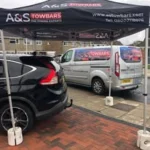
Choosing a trusted service provider, such as A&S Towbars Ltd, can help ensure your towing setup meets legal and safety standards.
Winter Towing: Essential Safety Practices, Electrical Checks & What to Watch For
Towing during the winter months presents unique challenges for drivers. Icy roads, reduced daylight, and unpredictable weather can all increase the risk of accidents if proper precautions are not taken. Whether you are towing a trailer, caravan, or boat, understanding the essential safety practices for winter towing is crucial for a safe and stress-free journey.
Essential Safety Practices for Winter Towing
Winter towing demands more than just skill behind the wheel. It requires careful preparation, awareness of road conditions, and the right equipment to stay safe in slippery environments. Below are the key practices every driver should follow.
Pre-Tow Safety Checks
Before setting off, a thorough safety check is critical. A detailed inspection should include:
- Tyres: Ensure tyres have adequate tread depth and are inflated to the manufacturer’s recommended pressure. Winter tyres can improve traction on icy roads.
- Brakes: Test braking response and ensure brake pads are not worn.
- Lights: Verify that headlights, indicators, and brake lights are functioning correctly. Visibility is vital in shorter winter days.
- Towbar Security: Check that the towbar is correctly attached and locked in place. This includes verifying the connection of the trailer’s breakaway cable, a crucial safety feature designed to stop the trailer if it becomes detached.
- Mirrors: Ensure mirrors are clean and properly positioned for maximum visibility.
Completing these pre-tow inspections not only reduces the risk of breakdowns but also ensures compliance with UK towing regulations.
Driving Techniques for Slippery Roads
Once on the road, driving techniques must adapt to winter conditions. Key strategies include:
- Smooth Acceleration and Gentle Braking: Avoid sudden movements that could cause skidding.
- Wider Turning Arcs: Give yourself extra space when navigating corners, especially on icy or snow-covered roads.
- Anticipating Black Ice: Be cautious on bridges, shaded areas, and rural roads where black ice is more common. Adjust speed according to the surface and traffic conditions.
Understanding the difference between urban and rural road conditions will help you anticipate hazards and maintain control throughout your journey.
Emergency Preparedness
Winter towing emergencies can happen even to the most careful drivers. A well-prepared emergency kit is essential. Include items such as:
- Blanket and warm clothing
- Ice scraper and de-icer
- High-visibility vest
- Shovel and traction aids, like sand or kitty litter
These items can make a significant difference if you become stranded or need to perform minor adjustments in harsh conditions.
Tips from Experienced UK Towing Drivers
Experienced drivers often recommend:
- Keeping a steady pace and avoiding sudden lane changes
- Practicing towing in low-traffic areas to build confidence on icy roads
- Checking forums and local towing groups for up-to-date advice on winter road conditions
Listening to advice from seasoned UK towing drivers can help you avoid common mistakes and stay safer during your winter journeys.
Electrical Checks: Keeping Your Vehicle & Trailer Connected Safely
Winter towing in the UK can be challenging. Icy roads, reduced daylight, and unpredictable weather all increase the risk of breakdowns or accidents. One of the most overlooked aspects of winter towing is the electrical connection between your vehicle and trailer. Ensuring that your electrical systems are functioning correctly is crucial for safety, reliability, and peace of mind on the road.
Battery Maintenance in Cold Weather
Cold temperatures have a significant impact on vehicle batteries. Battery efficiency can drop drastically when temperatures fall below freezing, and a weak battery can leave you stranded in harsh winter conditions. A thorough safety check before winter towing is essential to ensure your battery is up to the task.
Key steps for battery maintenance include:
- Checking the battery charge and voltage using a multimeter or professional tester.
- Inspecting terminals for corrosion and cleaning them if necessary.
- Replacing any battery older than 3-4 years or showing signs of reduced performance.
- Ensuring the battery is securely mounted to prevent vibration damage while towing.
Taking these precautions ensures that your vehicle and trailer electrical systems remain powered throughout your journey.
Trailer and Vehicle Electrical Systems
The connection between your vehicle and trailer is more than just a plug. Trailer and vehicle electrical systems must be carefully inspected to prevent hazards such as brake light failure, indicator malfunction, or complete disconnection while on the road.
Steps to ensure a reliable connection:
- Examine the trailer plug for corrosion, dirt, or damage.
- Apply dielectric grease to connectors to prevent moisture-related problems.
- Protect wiring with conduit or clips to prevent snagging or disconnection.
- Check that all lights, indicators, and fog lights function correctly before departure.
Never overlook the importance of a properly attached breakaway cable. This vital safety feature activates your trailer brakes if the trailer separates from the towing vehicle, reducing the risk of accidents and giving you extra protection for both your vehicle and other road users.
Advanced Electrical Tips
For drivers who regularly tow in winter, going beyond basic checks can prevent costly delays or accidents.
- Use portable jump starters for emergencies to quickly revive a dead battery.
- Monitor alternator health, as a failing alternator can compromise trailer lighting or other essential systems.
- Ensure compliance with UK lighting regulations, particularly during the shorter daylight hours in winter.
- Consider installing LED trailer lights, which are more reliable in cold weather and consume less power.
Regular checks and preventive measures not only improve safety but also give you confidence on the road. Being proactive ensures that your focus remains on driving rather than worrying about potential electrical failures.
Hazards to Watch For and How to Mitigate Them
Towing during winter presents unique challenges, particularly on UK roads where conditions can change rapidly. Drivers must remain vigilant and well-prepared to avoid accidents, ensuring both their safety and the safety of others. Performing a thorough safety check before every journey is essential.
Road Hazards Unique to UK Winters
UK winters bring hazards that can make towing particularly risky.
- Black Ice: Often invisible until traction is lost, black ice forms on shaded areas, bridges, and near water bodies. Reduced grip can lead to sudden skidding or trailer fishtailing.
- Frost: Frost on windows and mirrors reduces visibility, making it difficult to judge distances and spot hazards.
- Wet Leaves: Fallen leaves, particularly when wet, act like ice, reducing traction and increasing stopping distances.
Practical tips to manage road hazards:
- Reduce your speed in areas prone to ice and frost.
- Maintain a longer following distance behind other vehicles.
- Avoid sudden braking or steering inputs that can cause the trailer to sway.
- Plan routes to avoid steep inclines, bridges, or shaded areas known for black ice.
By remaining alert and adjusting your driving to these conditions, you reduce the likelihood of losing control while towing.
Vehicle-Related Hazards
Winter affects vehicles in ways that directly impact towing safety. Common hazards include:
- Frozen Windshield Wipers: Can reduce visibility and increase driver strain.
- Blocked Sensors: Frost, ice, or snow can block sensors on modern trailers and vehicles, affecting safety features like braking or collision alerts.
- Condensation in Tail Lights: Moisture inside lights can reduce brightness, making it harder for other drivers to see you.
Ensuring your trailer is fully operational before setting off is essential. Inspect lights, brakes, and electrical systems, and clear frost or ice from all external surfaces. A properly fitted breakaway cable is critical; it ensures that the trailer brakes automatically if it becomes detached, preventing uncontrolled movement and potential collisions. Checking this cable should be a standard step in every pre-trip inspection.
Mitigation Strategies
Winter towing safety relies on proactive strategies that prepare both the vehicle and driver.
- Tyres: Fit winter tyres for improved traction, or consider tyre chains or studs where legal.
- Load Distribution: Ensure the load is balanced and secured, reducing the risk of trailer sway.
- Route Planning: Avoid high-risk roads prone to ice or congestion, and prefer well-maintained routes with better visibility.
- Timing: Travel during daylight hours whenever possible to reduce fatigue and improve visibility.
- Emergency Supplies: Carry essential items such as a shovel, blanket, reflective warning triangles, and a first-aid kit.
Human Factors
Driver condition is often overlooked but plays a significant role in winter towing safety. Fatigue, stress, and low-light conditions can impair reaction times, leading to mistakes.
Tips to manage human factors:
- Take regular breaks during longer journeys to stay alert.
- Stay hydrated and eat small, energy-sustaining snacks to maintain concentration.
- Avoid rushing in hazardous conditions and give yourself extra time to reach your destination.
- Stay calm if trailer sway or skidding occurs; gently reduce speed and correct steering rather than making abrupt movements.
Being aware of both environmental and human factors ensures that drivers can manage risks effectively. With careful planning, regular safety checks, and attention to detail, towing in UK winter conditions can be safe and stress-free.
Winter Towing Success Starts with Preparation
Winter towing in the UK comes with unique challenges, from slippery roads and black ice to vehicle-related hazards like frozen sensors or condensation in lights. Performing a thorough safety check and ensuring your breakaway cable is correctly fitted can make all the difference. Choosing winter tyres, planning safer routes, and managing fatigue are equally important for a secure journey. At A&S Towbars Ltd, we specialise in towbar supply and fitting, offering both mobile and in-showroom services to keep your vehicle winter-ready.
For professional advice or to book a towbar fitting, contact us today at 0800 211 8076 or 01708 640017, email sales@astowbars.com, or visit www.astowbars.com. Don’t compromise on safety this winter.