What Happens During a Professional Towbar Fitting?
10 March 2026 by SEO
Towing a trailer, caravan, or bike rack requires more than simply attaching a towbar to your vehicle. Understanding what happens during a professional towbar fitting is crucial for safety and compliance. Professional installation ensures your towbar is securely mounted, correctly wired, and meets all UK regulations. Many UK drivers choose professional fitment to protect their vehicle and avoid electrical issues. Knowing the full process gives you confidence and peace of mind every time you tow.
Professional Towbar Fitting
A professional towbar fitting involves several key steps that ensure safety and reliability. First, the towbar is carefully mounted to the vehicle chassis, making sure it can handle the required towing weight. Next, electrical systems are integrated, including trailer lights and any necessary wiring adjustments to your vehicle’s system. Finally, the installation undergoes thorough testing to confirm everything works correctly. Each step is crucial, and missing or improperly completing any of them can compromise safety and legal compliance.
Types of Towbars and How They Affect Installation
Choosing the right towbar type impacts the fitting process. The main types include:
- Fixed Towbars: Permanently attached and ideal for frequent towing. Installation is straightforward but requires precise mounting.
- Detachable Towbars: Can be removed when not in use. Installation is slightly more complex, as fittings must be secure yet allow easy removal.
- Retractable Towbars: Slide into the vehicle body for a sleek appearance. These require careful alignment and additional testing to ensure safety.
Each type demands a slightly different approach, which is why professional expertise is important to get the fit right the first time.
Why Professional Technicians Matter
Trained technicians bring experience with modern vehicle wiring, torque settings, and UK safety standards. They reduce risks like electrical faults, improper mounting, or voiding your vehicle warranty. Choosing a professional ensures your towbar meets legal standards and performs safely under load.
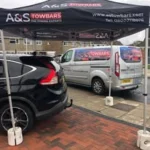
At A&S Towbars Ltd, our expert team handles every aspect of your installation. From selecting the right towbar to final testing, we provide professional guidance and reliable service. You can contact us here to book a towbar fitting or schedule a consultation today.
What Happens During the Fitting Process
Understanding what happens during a professional towbar fitting can give you confidence and peace of mind. Many vehicle owners assume it is a simple bolt-on task, but there is much more involved to ensure safety, compliance, and durability. In this section, we will break down the fitting process step by step so UK drivers know exactly what to expect.
Pre-installation Checks
Before any tools touch your vehicle, a professional fitter performs thorough pre-installation checks. This includes confirming the type of towbar required for your vehicle and ensuring full compatibility. Modern cars often have specific chassis requirements, and some models require additional brackets or adjustments. Checking these details in advance prevents unnecessary delays and ensures the installation is safe and compliant with UK standards.
Mechanical Mounting
Once the preliminary checks are complete, the mechanical mounting begins. The towbar is carefully aligned with your vehicle’s chassis to ensure it sits correctly. In many cases, bumpers or trims need to be temporarily removed to allow access. After alignment, the towbar is securely bolted into place, with all fixings tightened to the manufacturer’s specifications. This step ensures that the towbar will safely handle towing loads and maintain the structural integrity of your vehicle.
Electrical Integration
For most vehicles, towbar installation involves connecting the trailer wiring and integrating electrical components. This includes fitting sockets for trailer lights and indicators and testing them to ensure they function correctly. On newer vehicles, ECU adjustments may be required to recognise the towing system. A professional installer ensures that all connections are secure, safe, and fully compliant with UK regulations, which helps avoid electrical faults.
Safety and Quality Checks
No towbar fitting is complete without rigorous safety and quality checks. Torque verification ensures bolts are tightened correctly, while functional tests confirm that lights, indicators, and other systems operate as intended. These checks prevent potential hazards and give vehicle owners peace of mind that the installation is reliable.
Hidden Steps Often Overlooked
Many people do not realise the small but important steps involved in professional fitting. Corrosion protection is applied to prevent rust, all installation documentation is prepared for warranty and a final post-fit inspection is conducted to ensure everything is correct and safe.
Timeframe Expectations
The time it takes to complete a towbar fitting can vary depending on the vehicle type, complexity of the electrical system, and whether additional parts need to be fitted. On average, most professional installations can be completed within a few hours, but thorough attention to detail is key to a long-lasting and safe result.
After the Fitting – Maintenance, Tips & Best Practices
Once you have invested in a professional towbar fitting, it is essential to maintain it properly to ensure safety, reliability, and compliance with UK regulations. Regular upkeep not only extends the lifespan of your towbar but also provides peace of mind when towing trailers, caravans, or other loads.
Maintenance Checklist
Keeping your towbar in excellent condition starts with a simple yet thorough maintenance routine.
- Inspect Bolts and Fasteners: Road vibrations can cause bolts and nuts to loosen over time. Check all mounting points regularly and tighten any components as necessary. This simple step can prevent stress on the towbar frame and ensure stability when towing.
- Check for Corrosion: Rust can develop, especially after wet weather or winter driving on salted roads. Look for surface corrosion and treat affected areas with a wire brush, followed by a rust-resistant coating. This prevents further damage and maintains the structural integrity of the towbar.
- Examine Wiring and Connectors: Electrical components should be free of debris and damage. Faulty connections can cause lighting failures or other electrical problems when towing. Clean the sockets and test the lights regularly to maintain safe operation.
- Cleaning: Keeping your towbar clean prevents grime buildup that can accelerate wear and corrosion. Wash it with mild detergent and dry thoroughly, especially after exposure to salt or mud.
Using Your Towbar Safely
Safety is the most important factor once your towbar is fitted. Understanding weight limits and towing etiquette protects both you and other road users.
- Know Your Weight Limits: Every vehicle and towbar combination has designated braked and unbraked towing capacities. Exceeding these limits can stress the towbar and compromise handling. Refer to your vehicle handbook or VIN plate for accurate limits.
- Load Distribution: Distribute your load evenly to avoid overloading the rear axle or causing instability. Improperly balanced loads can affect braking and handling.
- Pre-Journey Checks: Always inspect trailer lights, brakes, and connections before setting off. Ensure the towball is correctly attached and all electrical connections are secure.
- Driving Considerations: When towing, leave extra stopping distance, reduce speed on corners, and anticipate road conditions. Smooth acceleration and braking will enhance stability and safety.
Documentation and Warranty
Proper documentation protects your investment and ensures compliance. Keep all relevant paperwork in a safe place, including:
- Certificates of professional installation
- Product warranties for the towbar and electrical components
- Receipts for fitting services
Having these records helps with future maintenance, warranty claims, and insurance purposes. Some UK insurers require proof of professional installation to provide full coverage. Keeping documentation handy avoids unnecessary disputes and ensures peace of mind.
Longevity Tips
To extend the life of your towbar, consider these seasonal and routine practices:
- Seasonal Checks: Inspect your towbar before winter and after prolonged exposure to wet or salty conditions. Clean thoroughly and treat any corrosion immediately.
- Protect Removable Components: Store detachable towballs and other removable parts in a dry place when not in use to prevent wear and damage.
- Regular Cleaning and Lubrication: Clean the towbar, apply light lubrication to moving parts, and ensure electrical connectors are free from dirt.
Choosing the Right Towbar Fitting Service
Selecting the right towbar fitting service is a crucial step for ensuring safety, reliability, and compliance with UK regulations. A professionally installed towbar provides peace of mind, protects your vehicle, and ensures that towing is both safe and efficient. With many options available, it can be difficult to know which service to trust. This guide will help you choose the best service by highlighting key factors and common pitfalls to avoid.
How to Select a Professional Installer in the UK
Choosing a certified and experienced installer is the first step toward a successful towbar fitting. Consider the following factors:
- Certifications: Look for technicians trained to install your specific vehicle model and recognised by manufacturers or professional organisations.
- Experience: An experienced fitter understands the nuances of different vehicles, electrical systems, and towbar types.
- Reviews and References: Positive reviews or referrals from previous customers indicate reliability and professionalism.
A good installer will also take the time to explain the fitting process, answer your questions, and ensure that the towbar meets UK safety standards. Investing in a certified professional ensures your towbar is installed correctly, reducing the risk of future issues.
Questions to Ask Before Booking
Before booking a towbar fitting service, it is essential to clarify pricing, warranties, and support. Ask questions such as:
- Does the quoted price include parts, labour, and electrical wiring for trailer lights?
- What type of warranty is offered, and what does it cover?
- Is follow-up support or inspection included after installation?
Asking these questions upfront helps prevent hidden costs and ensures that you are fully informed about the service you will receive. A trustworthy installer will provide clear answers and transparent pricing.
Comparing Mobile vs Garage Fitting Options
Both mobile and garage fitting services offer advantages, depending on your needs:
- Mobile Fitters: Provide convenience by coming to your home or workplace, saving travel time and effort. They may also offer competitive pricing due to lower overhead costs.
- Garage Installations: Offer a controlled workshop environment, which is ideal for complex fittings or vehicles with advanced electronics. Garages may also have access to specialised tools and equipment.
When deciding, consider factors such as convenience, cost, the complexity of your vehicle, and the level of expertise required for your towbar type.
Red Flags to Avoid
To ensure a safe and reliable installation, watch out for these warning signs:
- Services that are uncertified or inexperienced.
- Installers offering prices that seem too good to be true.
- Vague or unclear warranty terms.
- Reluctance to answer questions about the installation process or provide references.
Prioritising safety and professionalism over cost will ensure your towbar lasts longer and performs reliably.
Safe and Stress-Free Towbar Fitting
Towing safely starts with a reliable towbar fitting, and we make it easy. At A&S Towbars, we’ve spent over 25 years helping UK drivers with flangeball, swan neck, and detachable towbars, roof boxes, bike racks, and more. Our team ensures every installation is smooth, safe, and stress-free. Give us a call on 0800 211 8076 or 01708 640017, email sales@astowbars.com, or find us on Facebook and Instagram @as_towbars to get started.