How to Prepare Your Vehicle for a Mobile Towbar Installation
3 June 2026 by SEO
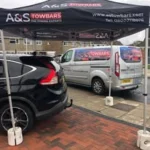
A mobile towbar installation is one of the easiest ways to get your vehicle ready for towing without taking time out to visit a garage. Instead of travelling to a workshop, a trained fitter comes to your home, workplace, or another suitable location with the right tools and parts.
A&S Towbars offers mobile towbar fitting across London, Essex, and the South East, with over 25 years of towbar industry experience. They supply and fit leading towbar brands including Witter, PCT, Brink, Oris, Westfalia, and Tow Trust.
Still, there are a few simple steps you can take before your appointment to help the fitting go smoothly. Here’s how to prepare your vehicle for a mobile towbar installation.
Make Sure Your Vehicle Details Are Correct
Before the fitting date, double-check that you have given the correct vehicle details. This usually includes your make, model, year, body style, and registration number.
This matters because towbars are not one-size-fits-all. The right towbar depends on your vehicle’s structure, towing limits, bumper design, and electrical system. Giving accurate details helps the fitter bring the correct towbar, wiring kit, and parts for your car.
If your vehicle has been modified, has parking sensors, or has a non-standard bumper, mention this before the appointment. It can affect the fitting process and may require extra checks.
Choose a Safe and Suitable Fitting Location
Mobile towbar fitting is convenient because the fitter comes to you. However, the location still needs to be safe and practical.
A flat driveway, private parking space, or quiet work car park is usually ideal. The fitter will need enough room around the rear of the vehicle to work safely and access tools.
Try to avoid narrow roads, steep slopes, busy public areas, or places with limited parking. If the fitter cannot safely work around the vehicle, the installation may need to be rearranged.
Clear the Boot Before the Appointment
Before your fitter arrives, remove items from your boot and rear storage area. Towbar fitting often requires access to the inside rear panels, spare wheel area, and electrical points.
You do not need to deep-clean the whole car, but a clear boot saves time and makes the job easier.
It is best to remove:
- Shopping bags, tools, sports gear, and personal items
- Pushchairs, pet crates, or loose storage boxes
- Anything blocking the spare wheel or boot side panels
This also helps protect your belongings while the fitter works.
Check the Rear of the Vehicle
Take a quick look around the back of your vehicle before the fitting. Check for visible damage, loose trim, cracked bumper sections, or anything hanging under the car.
Minor marks may not be an issue, but larger damage could affect how the towbar sits or how easily parts can be removed and refitted.
If your vehicle has recently been in an accident, even a small rear-end bump, tell the fitting team in advance. The towbar must be attached to strong, secure fixing points, so hidden damage can be important.
Make Sure the Vehicle Is Accessible
On the day of your mobile towbar installation, park the vehicle where the fitter can easily access it. Avoid parking too close to walls, fences, hedges, or other vehicles.
The fitter will usually need space to open the boot fully, move around the rear bumper, and work underneath the back of the car.
If your car is parked in a gated area, shared car park, or workplace, make sure access is arranged before the fitter arrives. This avoids delays and keeps the appointment running on time.
Keep Your Locking Wheel Nut Key Nearby
Some towbar installations may require access around the rear wheels or underbody areas. It is always a good idea to have your locking wheel nut key available, just in case.
You should also keep your vehicle key nearby. The fitter may need to test lights, check the electrics, unlock the boot, or switch the ignition on during the fitting process.
Know What You Plan to Tow
Before your installation, think about what you will use the towbar for. This helps confirm the most suitable towbar and electrical setup.
For example, towing a small trailer may require a different setup from towing a caravan, horsebox, or using a cycle carrier. Many modern towing setups also need either 7-pin or 13-pin electrics, depending on what you plan to connect.
If you are unsure, speak to A&S Towbars before the fitting. Their team can help you choose the right towbar and electrics for your needs.
Check Your Vehicle’s Towing Capacity
Not every vehicle can tow the same weight. Your vehicle’s towing capacity is set by the manufacturer and should never be ignored.
You can usually find this information in your vehicle handbook, on the VIN plate, or from the manufacturer. The towing limit includes important figures such as braked towing capacity, unbraked towing capacity, and nose weight.
A towbar gives your vehicle the ability to connect to a trailer or caravan, but it does not increase the vehicle’s legal towing limit. Staying within the correct weight limits keeps you safer and helps protect your vehicle from unnecessary strain.
Ask About Vehicle Coding
Many newer vehicles need coding after towbar electrics are fitted. Coding helps the vehicle recognise the trailer or caravan connection and allows systems such as parking sensors, trailer stability control, and lighting checks to work properly.
A&S Towbars notes that newer vehicles may need vehicle coding so parking sensors and driver-assist features continue to operate correctly after fitting.
If your car is newer or has advanced driver-assist features, ask whether coding is needed when you book.
Clean Around the Rear Bumper If Possible
A clean vehicle is not essential, but it can help. Mud, road dirt, or heavy grime around the rear bumper and underbody can make the fitting process messier and slower.
A quick wash around the rear of the car before the appointment is enough. This gives the fitter a cleaner area to work with and can make it easier to inspect fixings and bumper trims.
Be Available for Final Checks
Once the towbar is fitted, the installer may talk you through the work completed and test the electrics. Try to be available at the end of the appointment so you can ask questions and understand how to use your new towbar safely.
This is a good time to ask about:
- Towbar care and cleaning
- Weight limits and towing use
- Electrical socket protection
- Detachable towbar storage, if fitted
A few minutes of guidance can help you feel more confident before towing for the first time.
Why Professional Mobile Towbar Installation Matters
Towbar fitting is not just about attaching metal to the back of a vehicle. It involves safe mounting, correct wiring, electrical testing, and sometimes vehicle coding. Poor fitting can lead to lighting faults, safety risks, or problems with modern vehicle systems.
Choosing a professional mobile towbar installer gives you convenience without cutting corners. A&S Towbars provides mobile towbar fitting and can install at your home or workplace, bringing the tools and parts needed for the job.
With the right preparation, your fitting appointment can be simple, smooth, and stress-free.
Get Your Vehicle Ready with A&S Towbars
Preparing for a mobile towbar installation does not need to be complicated. Clear the boot, choose a safe fitting space, check your vehicle details, and make sure your keys are available. These small steps help the fitter complete the job safely and efficiently.
For reliable mobile towbar fitting across London, Essex, and the South East, contact A&S Towbars today.
Call 0800 211 8076 or email sales@astowbars.co.uk to request a quote or book your towbar installation.