How to Check if Your Vehicle Is Ready for Towing: Towing Capacity, Nose Weight & What It Means
13 November 2025 by SEO
Before you hit the road with a trailer or caravan, it is essential to ensure your vehicle is ready for towing. Checking towing readiness protects your safety, preserves your vehicle’s longevity, and keeps you compliant with UK laws. Key metrics to understand include towing capacity, nose weight, and the gross train weight of your vehicle and trailer combination. Knowing these figures helps you avoid costly mistakes while ensuring a smooth towing experience.
In this article, we will guide you through what each term means, how to check your limits, and where to find reliable UK-specific specifications.
Towing Capacity and Gross Train Weight
Towing capacity is the maximum weight your vehicle is rated to tow safely. Exceeding this limit can compromise handling, braking, and stability, increasing the risk of accidents. It is important to consider the gross train weight as well. This is the total weight of your vehicle plus the trailer or caravan you are towing. Even if your trailer is below the towing capacity, exceeding the gross train weight can stress your vehicle and affect road performance.
By knowing both towing capacity and gross train weight, you can plan your journey with confidence. For example, if you are towing a fully loaded caravan, ensure that the combined weight does not exceed your vehicle’s rating.
The Importance of Nose Weight
Nose weight, also called vertical load or tongue weight, is the downward force that the trailer or caravan exerts on the towbar. It is a critical factor for stability. Too little nose weight can make the trailer sway, while too much can overload the rear suspension of your vehicle. For caravans, checking the caravan’s noseweight is essential. The recommended range is typically 5 to 7 percent of the caravan’s total weight, and keeping within this limit ensures safer towing and better handling.
Even if your trailer is under the towing limit, incorrect nose weight can compromise your drive. Measuring it with a simple gauge or portable scale is an easy step that can prevent serious handling issues.
Checking Your Vehicle’s Specifications
Finding accurate specifications for your vehicle is straightforward in the UK. Your handbook and the VIN plate contain essential information on towing capacity, gross train weight, and nose weight limits. Manufacturers often provide these figures along with guidance for safe towing practices. Consulting these sources ensures you remain compliant with UK legal requirements and helps avoid penalties in case of roadside inspections.
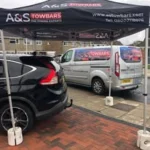
If you want extra reassurance, A&S Towbars Ltd can provide expert advice and installation services. You can contact A&S Towbars Ltd here to book a consultation or service.
How to Check Your Vehicle’s Towing Capacity and Nose Weight Limits
Ensuring your vehicle is ready for towing is essential not only for safety but also for staying compliant with UK laws. Overloading your vehicle or miscalculating the trailer’s load can lead to serious handling issues, mechanical strain, or even fines. Two critical figures to understand before you tow are your vehicle’s towing capacity and nose weight. These numbers determine how much your car can safely pull and how the weight is distributed on the trailer’s hitch. Knowing them can save you from unnecessary stress and potential accidents.
Step-by-Step Guide to Locating Your Vehicle’s Specification
The first step in checking your towing limits is locating your vehicle’s official specifications. Most of this information can be found in the vehicle handbook, which provides manufacturer-approved limits including towing capacity, maximum payload, and recommended nose weight.
Other reliable sources include:
- VIN Plate: Usually located near the driver’s door or engine bay, displaying gross vehicle weight (GVW) and maximum authorised mass (MAM).
- Registration Documents: Often list towing specifications and may confirm maximum trailer weight allowed.
- Towbar Documentation: Some towbar manufacturers include guidelines for safe towing weights and nose weight limits.
Consulting these sources ensures that you have accurate and legally recognised figures to work from. Keeping this information handy makes pre-trip checks faster and more reliable.
How to Interpret the VIN Plate
Once you’ve found the VIN plate, it’s important to know what each abbreviation means. GVW refers to the gross vehicle weight, which is the total weight of your vehicle including passengers, cargo, and fuel. MAM, or maximum authorised mass, is the upper weight limit for your car as set by the manufacturer. GTW, gross train weight, indicates the combined weight of the vehicle and trailer when fully loaded. Understanding these figures is crucial for ensuring you stay within your towing limit and avoid compromising safety.
Where to Find the Nose Weight
Nose weight, also known as vertical load, refers to the downward force exerted on your vehicle’s hitch by the trailer. This figure is often listed in the vehicle handbook, on the towbar plate, or on the trailer plate itself. Accurate nose weight ensures that your trailer remains stable on the road and reduces the risk of swaying. If the nose weight is too low, the trailer can become unstable; too high, and it may overload your rear suspension. Checking this value before every trip is a simple step that greatly enhances towing safety.
Practical Checklist for Safe Towing
To confirm your setup is safe, follow this practical checklist:
- Vehicle Unladen Weight + Payload – Determine the weight of your vehicle when empty and add the weight of passengers and cargo.
- Trailer Fully Loaded – Calculate the total weight of your trailer, including any equipment, belongings, or a caravan.
- Combined Must Not Exceed GTW – Ensure the total combined weight of the vehicle and trailer remains below the gross train weight limit.
- Nose Weight Must Be Within Limits – Double-check that the downward force from the trailer on your hitch matches the recommended range.
Tools and Calculators for UK Users
There are several online tools available that can help you calculate towing capacity and nose weight quickly. UK users can enter vehicle and trailer specifications into these calculators to confirm whether their setup is safe. Many towbar suppliers also provide guides and charts that make these calculations straightforward.
Common Mistakes and What They Cost You (Safety, Legal & Vehicle Wear)
Towing may seem straightforward, but small oversights can quickly turn a simple journey into a dangerous or costly experience. Even experienced drivers can fall into common pitfalls, and understanding these mistakes is essential for safe, legal, and stress-free towing in the UK. Small errors can lead to accidents, vehicle damage, and legal consequences, making careful preparation more than just a recommendation—it is a necessity.
Towing Beyond Your Vehicle’s Capacity
One of the most frequent errors is towing beyond the manufacturer’s rated capacity. Every vehicle comes with a specific towing limit designed to protect its engine, transmission, brakes, and suspension. Exceeding this limit increases wear on mechanical components and can result in reduced handling, longer braking distances, and higher risk of component failure.
From a legal perspective, exceeding your towing capacity can have serious implications:
- Licence violations and fines: UK law sets clear limits for what each vehicle can tow, and enforcement officers may issue penalties if these limits are exceeded.
- Insurance complications: If your vehicle is overloaded, some insurance policies may not cover damage or claims related to towing.
- Increased repair costs: Strain on your engine, brakes, and drivetrain from exceeding towing limits can lead to expensive repairs over time.
Even a small amount over the recommended capacity may gradually wear down key components, so always check your vehicle handbook and towbar rating before hitching a trailer.
Incorrect Nose Weight
Nose weight, also known as vertical load, refers to the downward force the trailer places on the tow ball. Setting the correct nose weight is critical for stability and safe handling. Common mistakes include:
- Too light: A trailer with insufficient nose weight can sway from side to side, creating dangerous instability, especially at higher speeds or on windy UK motorways.
- Too heavy: Excessive nose weight overloads the rear suspension, reduces steering control, and can increase stopping distances.
Both scenarios significantly increase the risk of accidents and put unnecessary strain on your vehicle’s suspension and brakes. Properly balancing the load ensures smooth handling and safer journeys for everyone on the road.
Ignoring Trailer Weight Ratings
Another common oversight is failing to check the trailer’s own weight ratings. Many drivers assume that as long as the vehicle can tow a certain amount, the trailer itself can handle any load. This is a dangerous misconception. Trailers have maximum gross weights, axle limits, and tyre load capacities that must always be observed.
Practical points to remember include:
- Verify the trailer’s maximum gross weight and axle limits.
- Ensure the load is evenly distributed to prevent swaying or instability.
- Check that the combined vehicle and trailer weight does not exceed your vehicle’s towing capacity.
Overloading a trailer can lead to suspension damage, tyre blowouts, and compromised braking performance. Even minor miscalculations can escalate into serious safety hazards.
Consequences in a UK Context
The consequences of towing mistakes in the UK can be significant. Common outcomes include:
- Fines and penalties for exceeding legal towing limits.
- Insurance claims being denied if towing regulations were not followed.
- Increased braking distance and reduced manoeuvrability, particularly on motorways, rural roads, or in adverse weather conditions.
- Higher accident risk, which can endanger you, your passengers, and other road users.
Practical examples highlight how easily these mistakes occur. For instance, setting a caravan’s noseweight incorrectly or failing to check the towbar coupling can lead to swaying on the motorway or sudden instability on country roads. Even skipping routine inspections of trailer tyres or brakes can have serious consequences.
Avoiding Common Mistakes
Avoiding these issues is straightforward with careful preparation. Key steps include:
- Always consult your vehicle handbook and towbar specifications.
- Check trailer ratings and ensure they are up to date.
- Verify nose weight using an appropriate scale or gauge.
- Ensure load distribution is correct before setting off.
- Conduct regular inspections of towbar, coupling, tyres, and brakes.
Practical Tips Before You Hit the Road: A UK Towing Readiness Checklist
Towing a trailer or caravan can be a rewarding experience, whether it’s a family holiday or transporting equipment. However, ensuring your vehicle and trailer are properly prepared is critical for safety, legal compliance, and overall peace of mind. Use this UK towing readiness checklist to make sure your journey starts on the right foot.
Pre-Tow Vehicle Checks
Before hooking up your trailer, it is essential to carry out a thorough inspection of your vehicle and trailer. Start with the tyres, including those on your trailer, checking for correct pressure, sufficient tread depth, and any signs of wear or damage. Next, test your brakes to ensure they respond effectively under load. Check all lights, including indicators and brake lights, as these are often overlooked yet crucial for safe towing. Inspect the towbar coupling and ensure it is secure, properly lubricated, and free from corrosion. Finally, adjust mirrors so you have a clear line of sight along the sides of the trailer. This step is vital for lane changes and reversing safely.
Load Distribution
How you load your trailer or caravan can dramatically affect handling and stability. Correctly distributing the weight ensures that the nose weight falls within recommended limits, typically around five to seven percent of the total laden weight for caravans. Place heavier items low and close to the axle, and avoid overloading the rear, which can cause swaying. Secure all cargo to prevent shifting during transit, which could impact balance and braking efficiency.
Adjusting for Conditions
UK roads present a variety of challenges, from narrow lanes to steep gradients. Always account for weather conditions such as rain, fog, or icy patches, which can increase stopping distances. Adjust your driving style for stop-start traffic and be prepared for long uphill climbs. Towing in these conditions requires extra attention, slower speeds, and smooth steering inputs to maintain control of both vehicle and trailer.
Document Check
Before departure, make sure all documentation is in order. Verify your vehicle’s V5C registration document, and consult the handbook for towing specifications, including maximum towing weight and nose weight limits. Ensure your towbar certification is valid and meets current standards. Additionally, check your driving licence category to confirm you are legally permitted to tow your specific trailer or caravan in the UK. Being properly licensed protects you from fines and potential insurance issues.
Final Pre-Departure Checklist
Before setting off, calculate the combined weight of your vehicle and trailer to confirm it remains within legal limits. Test the towbar coupling to ensure a secure connection, and double-check that all cargo is firmly fastened. A pre-departure checklist may seem tedious, but it is a simple step that significantly reduces the risk of accidents and mechanical strain.
When in Doubt
If you are unsure about any aspect of towing, do not take chances. Consult the vehicle manufacturer, a professional trailer dealer, or certified towing expert. Getting advice from professionals can prevent costly mistakes, improve safety, and give you confidence on the road.
Towing Confidence Starts with Proper Preparation
Proper preparation is key to safe and stress-free towing. By checking your vehicle’s towing capacity, ensuring correct nose weight, and performing pre-departure inspections, you can protect both your vehicle and trailer while staying fully compliant with UK regulations. Correct load distribution, secure coupling, and vehicle maintenance are essential steps for confidence on the road. For professional guidance and reliable equipment, A&S Towbars Ltd offers expert towbar supply and fitting services, either at our showroom or via mobile service.
For expert advice or to book a service, contact A&S Towbars Ltd at 0800 211 8076 or 01708 640017, email sales@astowbars.com, or visit www.astowbars.com today.